
Disclosure: As an Amazon Associate, I earn from qualifying purchases. This means when you purchase through links on this page, I may earn a small commission at no extra cost to you.
Body-Solid Powerline Cable Crossover Review 2026
The Body-Solid Powerline Cable Crossover is engineered as a dedicated selectorized resistance station built for demanding home setups and light-commercial environments. Building an effective full-body training regimen often requires versatile cable mechanics, and this heavy-duty unit pairs dual independent weight stacks with high and low pulley positions to isolate every major muscle group. According to aggregate Amazon customer ratings, the machine holds a 4.4 out of 5 rating across 38 total reviews, reflecting buyer satisfaction with its substantial steel architecture. In this comprehensive 2026 overview, we break down the published dimensions, pulley ratios, assembly requirements, and realistic capabilities to help you decide if it fits your fitness space.
Table of Contents
What You Get With the Body-Solid Powerline Cable Crossover
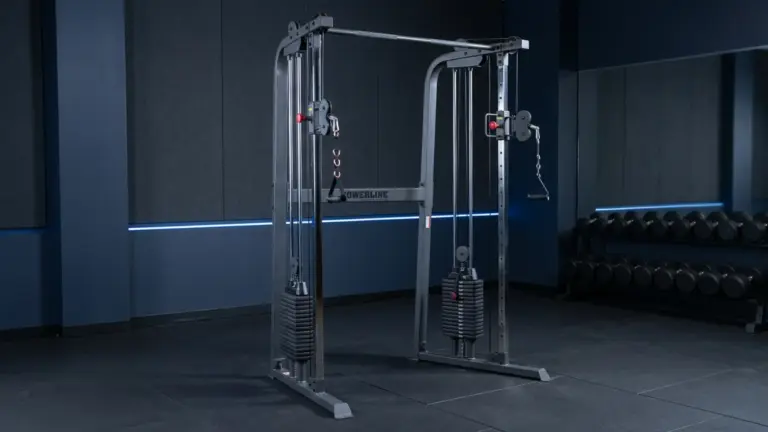
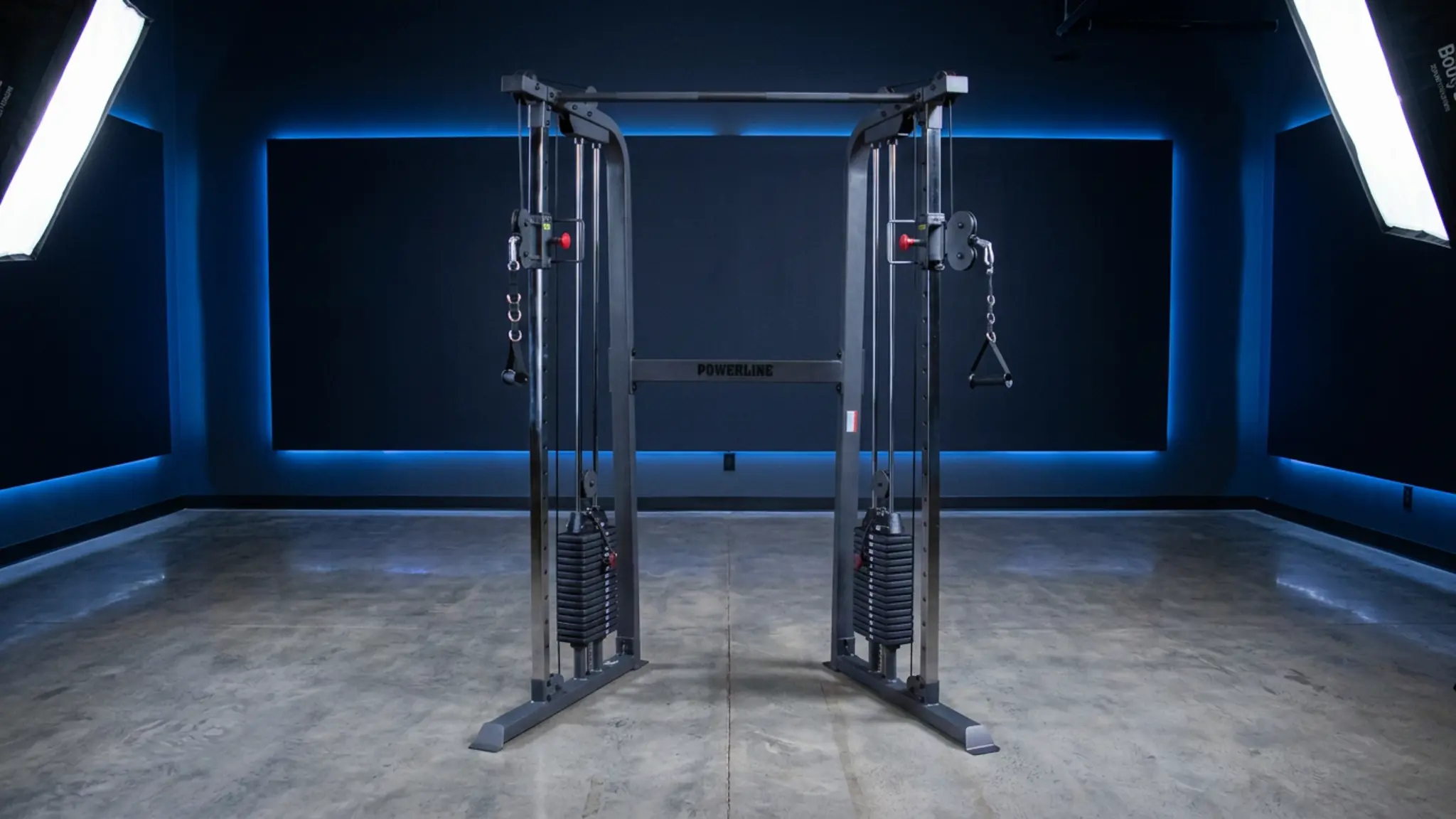
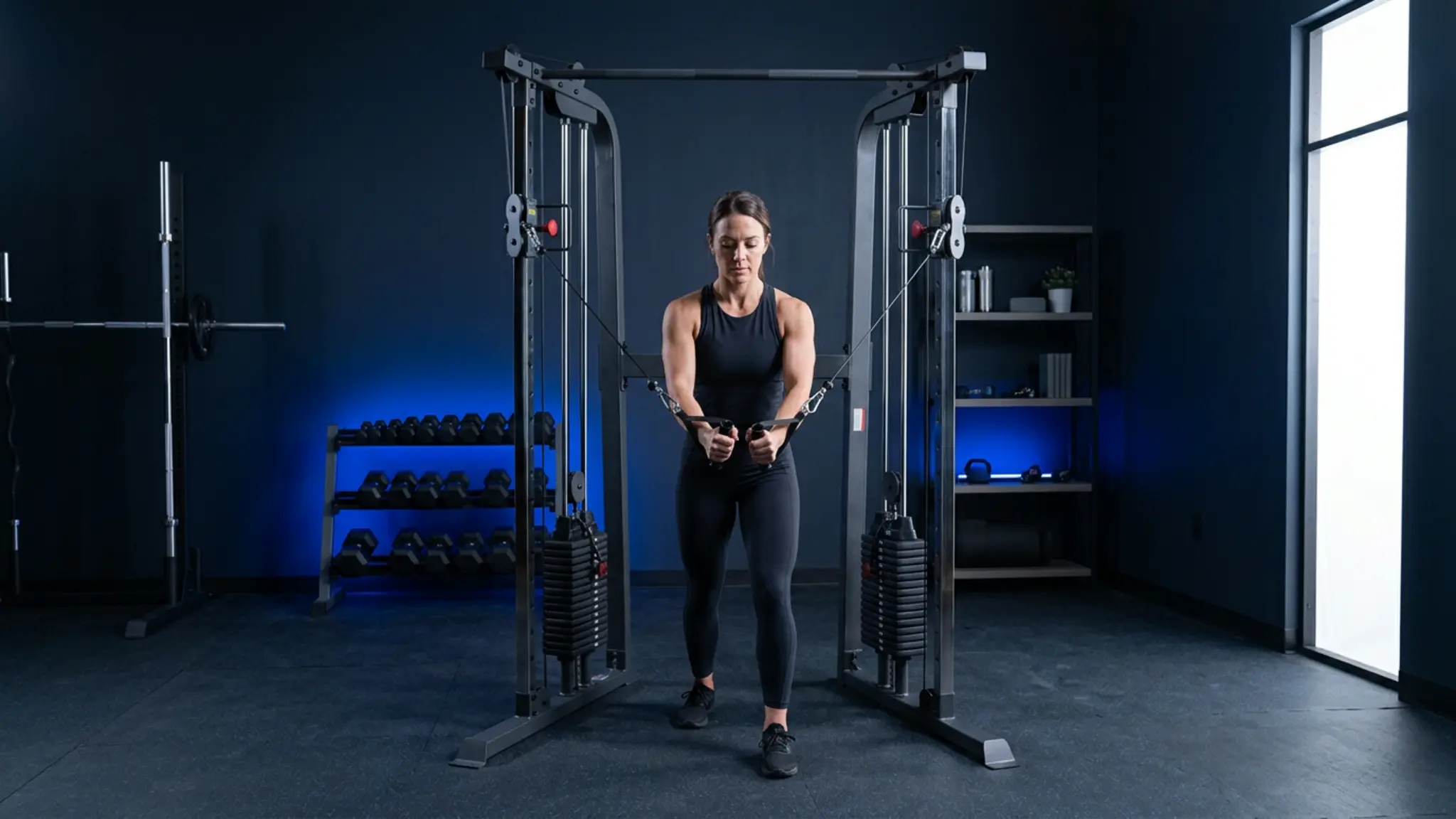
The Body-Solid Powerline Cable Crossover is built around a heavy-duty alloy steel mainframe finished with an electrostatically applied powder coat. This specialized coating is intended to resist scratching and scuffs during routine weight pin adjustments and repeated pulley use. At an assembled weight of 556 pounds, the frame provides an exceptionally solid base without requiring external wall anchors.
Instead of requiring loose Olympic plates, the system incorporates two dedicated 160-pound weight stacks. The pulleys operate on a 1/2 : 1 resistance ratio, meaning 160 pounds on the stack delivers roughly 80 pounds of true felt tension per side. Additionally, the manufacturer specifications note a supported tension and maximum weight recommendation of 210 pounds, allowing room for heavier functional demands.
| Dimensions | 42.3″ D x 62.6″ W x 83″ H |
|---|---|
| Total Weight | 556 lbs |
| Resistance System | Dual independent 160 lb weight stacks (1/2 : 1 ratio) |
| Frame Material | Alloy steel with electrostatic powder coat |
| Tension Supported / Max Limit | 210 lbs |
| Manufacturer Warranty | 10 years on frame; 1 year on parts |
Real-World Use and Practical Notes
Planning for a home gym cable system of this scale requires careful space assessment. With an assembled height of 83 inches, the unit demands a minimum ceiling clearance height of at least 7 feet, though taller ceilings are recommended if you plan to execute pull-up variations at the upper crossbar. The 62.6-inch width and 42.3-inch depth demand a dedicated floor footprint where users can step forward for flyes or presses.
Because the unit weighs 556 pounds before accounting for user movement, floor protection is essential. Placing dense rubber stall mats beneath the steel base prevents damage to concrete or subflooring and prevents shifting over time. As a mechanical weight stack station, the unit requires zero electrical power, meaning you can position it in basements or detached garages without proximity to wall outlets.
The dual independent stacks facilitate true isolateral movement, ensuring one dominant arm cannot compensate for the other. By utilizing the high low pulley adjustments, users can transition through seated rows, pec flyes, cable crossovers, tricep pushdowns, bicep curls, and glute kickbacks. Regular preventative maintenance consists of inspecting cable integrity, wiping guide rods, and occasionally lubricating metal shafts to ensure smooth stack travel.
Alternatives Worth Considering
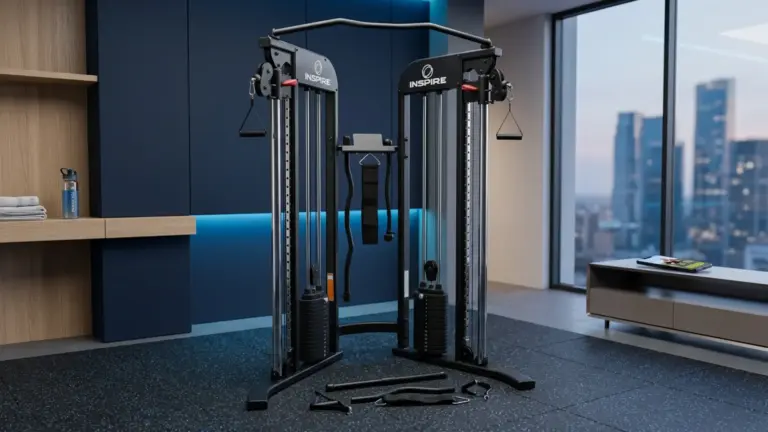
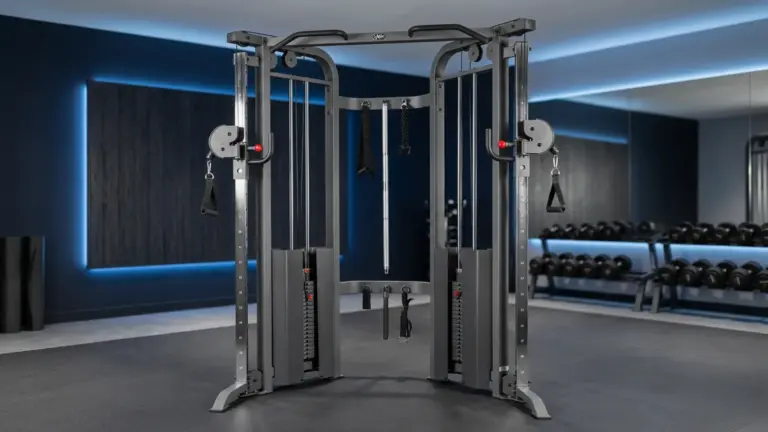
When outfitting a strength training area, comparing equipment footprints and resistance styles helps determine the right balance. Lifters seeking a premium multi-angle station might examine a commercial dual weight stack functional trainer, which often features closely spaced uprights and dual swivel pulleys designed primarily for tight functional patterns rather than traditional wide cable flyes.
Those working within stricter spatial constraints may prefer a dual stack functional trainer alternative that emphasizes corner placement and a smaller overall profile. In contrast, the Body-Solid Powerline design uses an extra-wide mainframe layout that mimics commercial crossover stations, providing greater arm spread for chest flyes and deltoid raises.
Finally, lifters on a more constrained budget often evaluate a plate-loaded multi-station home gym workout machine. While plate-loaded designs save on upfront costs, they require manual loading of loose weight plates between sets. The Body-Solid station eliminates this burden by using integrated selectorized stacks that adjust quickly via magnetic pins.
The Right (and Wrong) Buyer for This Product
The Body-Solid Powerline Cable Crossover is ideal for dedicated home gym owners who want the fast, hassle-free adjustment of selectorized weight stacks without loading free weights onto sliding horns. It is also well-suited for personal training studios and light-commercial setups seeking durable alloy steel construction backed by a 10-year frame warranty.
Conversely, this unit is not recommended for lifters who require massive single-point resistance for heavy cable deadlifts or power rows, as the 1/2 : 1 pulley ratio caps effective stack load around 80 pounds per side. Buyers living in apartments, those placing equipment on upper-level floors with weight limits, or spaces with ceilings under 84 inches should bypass this unit in favor of lighter, lower-profile trainers.
Final Verdict for 2026: If you have the dedicated floor space and ceiling height to accommodate a 556-pound footprint, the Body-Solid Powerline delivers genuine commercial crossover geometry and dual selectorized stacks that streamline daily functional training.
Questions Buyers Keep Asking
What is the effective resistance on each stack?
Each stack contains 160 pounds of weight plates, but because the system uses a 1/2 : 1 mechanical pulley ratio, the felt resistance is approximately 80 pounds per handle. This ratio is standard for functional trainers as it provides extended cable travel and smooth motion.
How much ceiling clearance is required for assembly?
The physical frame height measures 83 inches. You should ensure a minimum ceiling height of 84 to 86 inches to stand the frame upright during assembly, with additional overhead clearance needed if you plan to perform full pull-ups.
Does this cable crossover require an electrical outlet?
No electrical connection is needed. The entire unit functions purely on mechanical steel cables, guide rods, pulleys, and selectorized pin stacks, making it safe for garages and non-powered workout rooms.
What warranty protection does Body-Solid provide?
The manufacturer includes a 10-year warranty covering the alloy steel mainframe construction along with a 1-year warranty on functional parts such as cables and pulleys.