
Disclosure: As an Amazon Associate, I earn from qualifying purchases. This means when you purchase through links on this page, I may earn a small commission at no extra cost to you.
YOSUDA Magnetic Exercise Bike Review 2026
Finding a dependable indoor cycling bike for home cardio equipment often means balancing compact footprints against mechanical stability. The YOSUDA Magnetic Exercise Bike enters the entry-level home fitness category offering a 25-pound perimeter-weighted flywheel, stepless magnetic resistance, and integrated Bluetooth app tracking. According to the manufacturer’s published specifications, this stationary bike supports riders up to 300 pounds while maintaining an ultra-quiet operational volume rated at 20 decibels. In this detailed 2026 evaluation, we examine the structural specifications, rider fit considerations, and practical ownership trade-offs based strictly on published product data.
Table of Contents
What You Get With the YOSUDA Magnetic Exercise Bike
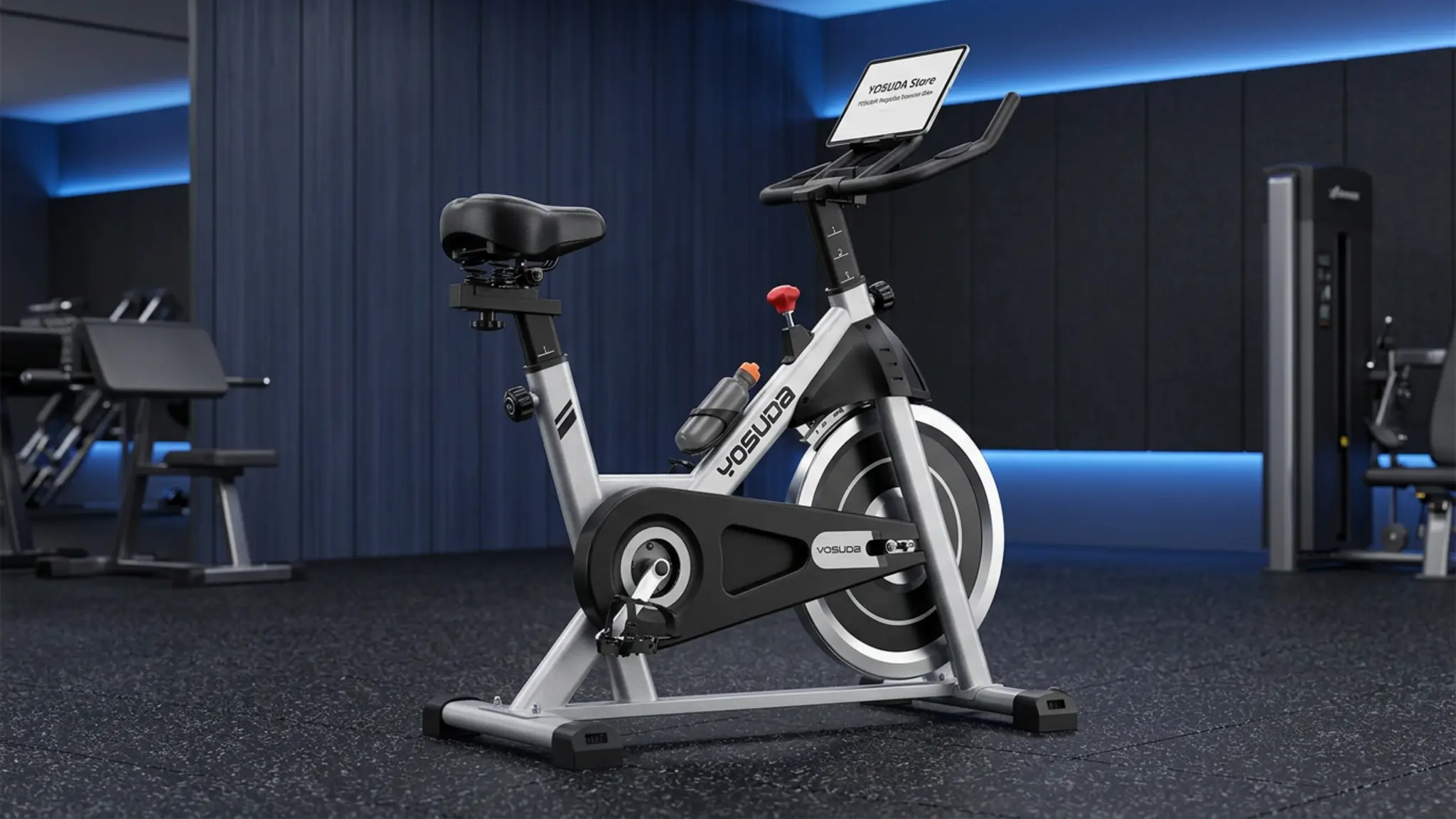
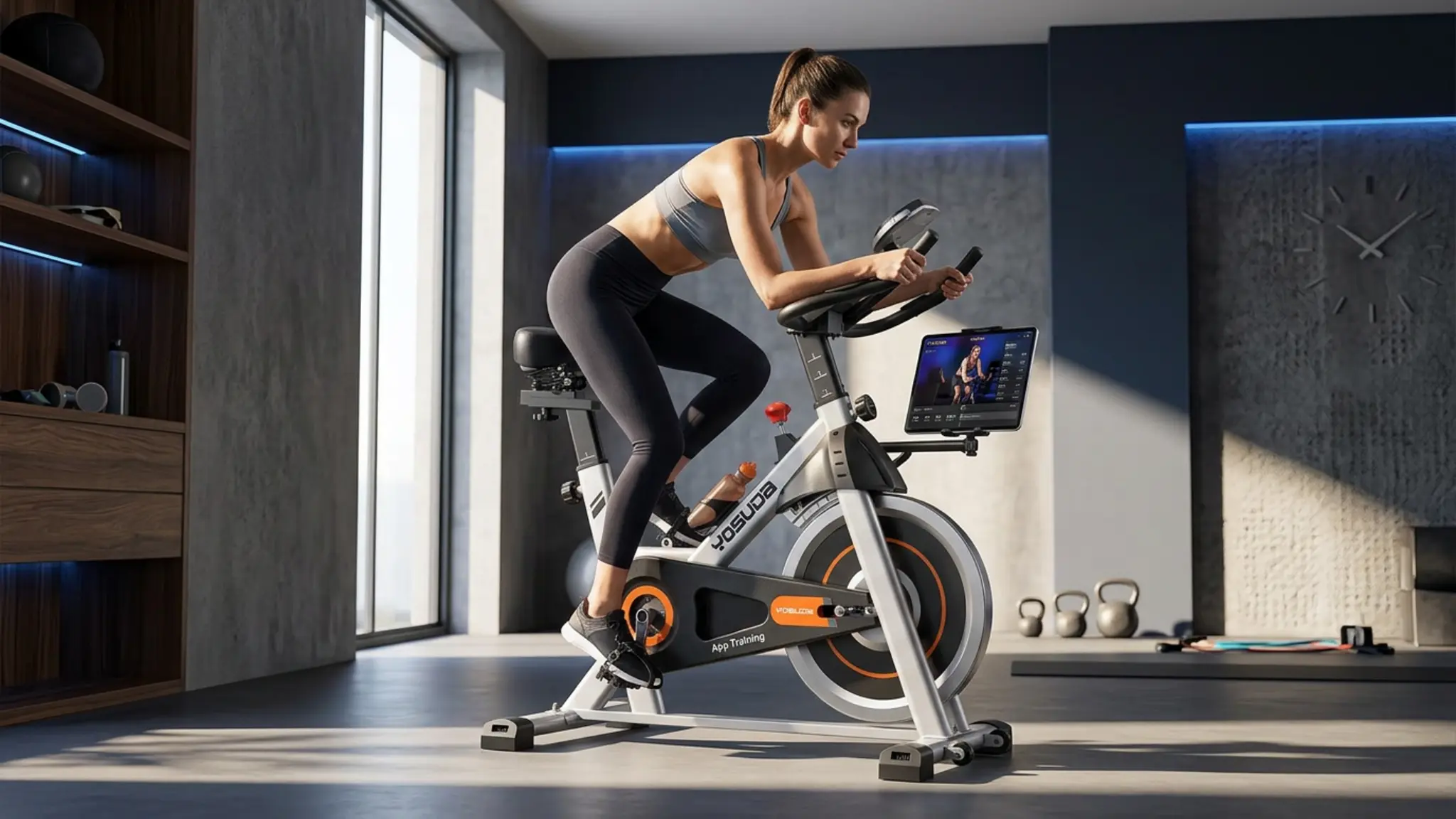
The YOSUDA Magnetic Exercise Bike is built around a heavy-duty dual-triangle steel frame constructed with thickened tubes. The manufacturer lists a maximum user weight capacity of 300 pounds, aimed at providing sufficient rigidity during seated climbs and standing sprints. Resistance is driven by a non-contact magnetic system paired with a 25-pound flywheel, which is engineered to minimize mechanical wear and eliminate friction-based brake pad noise.
For adjustability, the trainer features a 4-way adjustable ergonomic seat padded with high-density memory foam. The published dimensions indicate it accommodates rider heights between 4’8″ and 6’2″. Furthermore, the bike integrates Bluetooth connectivity, enabling data transmission for workout metrics including elapsed time, speed, distance, and estimated calorie burn to compatible training applications.
| Specification | Manufacturer Stated Value |
|---|---|
| Flywheel Weight | 25 lbs |
| Resistance System | Stepless Magnetic Resistance |
| Claimed Sound Level | 20 dB |
| Maximum Weight Capacity | 300 lbs |
| Rider Height Range | 4’8″ to 6’2″ |
| Connectivity | Bluetooth App Tracking |
| Frame Design | Dual-triangle alloy steel |
Real-World Use and Practical Notes
In terms of home placement, this indoor cycle is designed for shared living spaces. The manufacturer highlights an operational noise level of just 20 decibels, attributing this silent operation to magnetic resistance that avoids the rubbing common to traditional wool-felt friction pads. Because there are no contact pads to wear down, ongoing drivetrain maintenance is significantly lower than that of basic friction trainers.
Setup demands are straightforward according to the provided documentation. The bike arrives approximately 80 percent pre-assembled, and the manufacturer estimates assembly time at under 30 minutes with the included tools and instructions. Buyers setting this machine up on hardwood or carpet should consider placing an equipment mat beneath the steel stabilizers to prevent floor scuffing and manage sweat accumulation.
Warranty terms require careful buyer verification. While listing highlights advertise a 1-year coverage umbrella, the technical data summary notes that specific framework coverage may be limited to 3 months. Buyers should confirm the current after-sales policy directly with the seller to understand what parts and frame components are protected over the lifespan of the equipment.
Alternatives Worth Considering
When shopping for compact stationary bikes in the sub-$300 bracket, shoppers generally weigh mechanical simplicity against digital app ecosystems. The YOSUDA model offers a solid physical baseline with its 25-pound flywheel, manual stepless magnetic knob, and basic Bluetooth output. However, riders seeking motorized resistance control or deeper interactive training integrations may want to compare other modern alternatives.
For example, exploring our MERACH magnetic exercise bike review highlights how alternative designs handle app connectivity, digital resistance levels, and compact ergonomics. While YOSUDA targets silent reliability with a manual knob, competing trainers often experiment with electromagnetic auto-adjusting resistance. Buyers must decide whether they prefer analog dial resistance or digital workout syncing.
The Right (and Wrong) Buyer for This Product
This stationary cycle is well-suited for budget-conscious home fitness enthusiasts who prioritize near-silent operation for early morning or late-night workouts. The stated 4’8″ to 6’2″ height compatibility and 300-pound load threshold make it a versatile option for multi-user households seeking standard cardio conditioning. It also suits riders who prefer simple manual resistance adjustments without mandatory recurring software subscriptions.
Conversely, dedicated competitive cyclists and performance trainees may find the 25-pound flywheel light compared to commercial studio bikes that utilize 35-to-45-pound wheels. Individuals taller than 6’2″ should likely skip this model, as the maximum seat post extension may restrict full leg extension. Additionally, those who require integrated touchscreen displays or automatic smart resistance tracking will need to look into higher-tier connected bikes.
Final Verdict for 2026: The YOSUDA Magnetic Exercise Bike delivers a compelling entry-level package for riders seeking quiet magnetic resistance, basic app telemetry, and a stable 300-pound frame capacity. Provided buyers confirm the warranty specifics prior to purchase, it stands as a dependable, low-maintenance home cardio option.
Questions Buyers Keep Asking
Does the YOSUDA Magnetic Exercise Bike require an electrical outlet?
No, the resistance mechanism relies on an internal manual magnetic assembly that does not require mains electricity. The onboard electronics and Bluetooth tracking function independently without needing to be tethered to a wall outlet.
What is the maximum rider weight for this bike?
The manufacturer’s published specifications state a maximum user weight capacity of 300 pounds. This support is enabled by the dual-triangle high-strength steel frame and reinforced tubing.
How quiet is the magnetic resistance during rides?
The product specifications indicate an operational sound profile of approximately 20 decibels. Because the magnetic resistance system does not use contacting pads against the flywheel, mechanical friction noise is virtually absent.
Can the saddle and handlebars be adjusted for multiple riders?
The ergonomic memory foam saddle features 4-way adjustability, moving both vertically and horizontally to fit individuals between 4’8″ and 6’2″. Riders outside of this listed height window should verify their inseam measurements before ordering.